Buying new tires for your car involves decisions that span important characteristics such as energy consumption, wet grip, and external noise. All new tires are marked with the EU tire label, which gives information about these characteristics.
| Symbol |
Description |
|
|
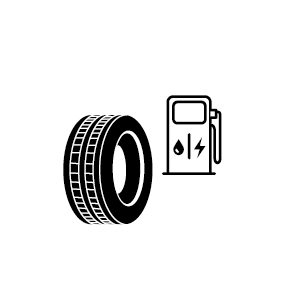
The energy efficiency (rolling resistance) of the tire is rated in five levels from A to E (high to low efficiency). The lower the rolling resistance of the tire is, the higher its energy efficiency will be. |
|
|
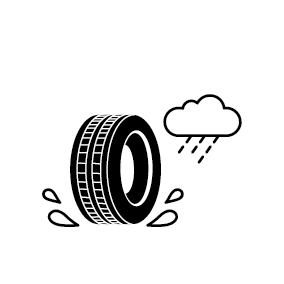
The wet grip class of the tire is a critical safety feature, showing how well a tire can brake on wet roads. Tires are rated in five levels from A to E (short to long braking distance). The difference between tires in class A and E can be up to 30% shorter braking distance. |
|
|
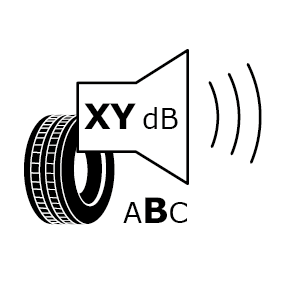
The external rolling noise level and noise class of the tire. This symbol contains two types of infomration related to the external noise of the tire:
|
• |
The external rolling noise level in dB. |
|
• |
The rolling noise class is rated in three levels from A to C (low to high noise). |
|
|
|
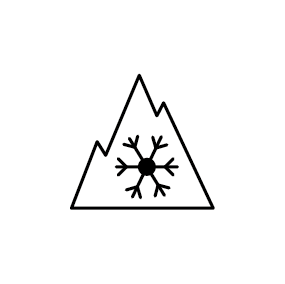
Additional label used for European winter tires. This label denotes that the tire is approved for use in several snow conditions. |
|
|
Additional label used for winter tires sold in the Nordic countries only. This label denotes that the tire is approved for use in extremely cold conditions. These tires usually do not work well on wet surfaces or in less severe winter conditions. |